

 By
By A non-responsive loudspeaker on your iPhone can be more than a nuisance—it can impede communication and access to critical features. With countless users depending on their devices for seamless connectivity and entertainment, it’s crucial to restore functionality as soon as possible. This guide offers practical solutions for diagnosing and fixing your iPhone’s loudspeaker issues, with steps ranging from simple checks to advanced diagnostics.
Initial Troubleshooting Steps
Before taking drastic measures, start with straightforward troubleshooting steps that often resolve the problem.
-
Check Silent Mode and Volume Settings: Ensure the mute switch isn’t activated and adjust the volume using the side buttons. This simple check is a common fix for audio issues.
-
Inspect for Physical Blockages: Examine the speaker grills for dust or debris. If necessary, clean them carefully to prevent obstruction of sound.
-
Disable Do Not Disturb and Bluetooth: These settings can inadvertently divert sound from your iPhone. Turn off Do Not Disturb in Settings and ensure Bluetooth isn’t connected to another device.
Successfully completing these initial checks often resolves loudspeaker issues efficiently, allowing users to enjoy immediate improvements. However, if the problem persists, consider potential software glitches.
Software-Related Solutions
Software-related issues are another common cause of malfunctioning loudspeakers. Implement these solutions to address potential technical glitches:
-
Restart Your iPhone: A simple restart can clear out minor software errors. Hold the power button, swipe to turn off, then turn it back on to see if the issue resolves.
-
Update iOS to the Latest Version: Operating system updates often include bug fixes. Go to Settings > General > Software Update to ensure your device is running the latest software.
-
Reset All Settings: This step will restore your settings preferences without deleting data. Navigate to Settings > General > Reset > Reset All Settings to reset configurations that might affect audio.
With software solutions addressed, it becomes simpler to narrow down the cause. If these don’t solve the problem, consider advanced troubleshooting.
Advanced Troubleshooting
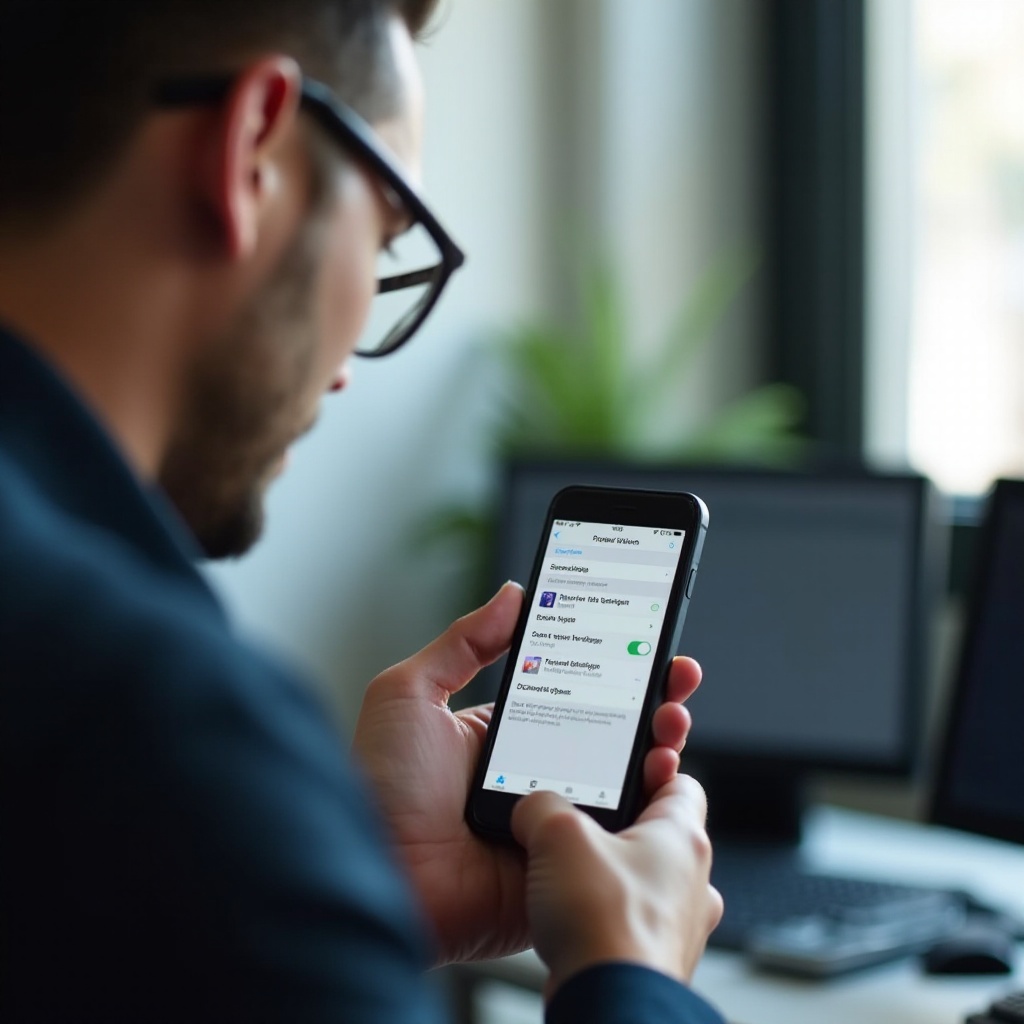
For persistent problems not resolved by simpler measures, try these advanced troubleshooting techniques that involve restoring or checking further diagnostic options.
-
Restore iPhone from a Backup: If the problem began after installing an app or update, restoring from an older backup might help. Connect to iTunes or Finder and choose restore when your iPhone appears.
-
Use iTunes/Finder for Additional Checks: Use these tools to perform a system restore or update manually. They are effective for rectifying software issues that interrupt hardware functionality.
-
Safe Mode Diagnostics: While Apple doesn’t offer an official Safe Mode, a complete factory reset can reveal if a specific app is causing the issue, though proceed here with caution.
Following these advanced steps often unveils deeper issues, establishing whether a software fix is viable or if hardware is the underlying concern.
Identifying Hardware Issues
If software harnessing hasn’t solved the problem, it is wise to explore potential hardware failures.
-
Clean the Loudspeaker Area Safely: Carefully use a brush or compressed air to clean around the loudspeaker without causing damage.
-
Use Diagnostic Tools: Apple’s diagnostic apps or third-party diagnostic tools might reveal hardware issues affecting the loudspeaker.
-
Signs of Hardware Failure: Consider if your device has been exposed to water damage or physical trauma, which could lead to hardware issues requiring professional repair.
Understanding when to attribute problems to hardware issues helps determine whether you can address the issue yourself or need professional intervention.
When to Contact Apple Support
Exhausting all troubleshooting options without success should lead you to seek professional advice.
-
Assessing Warranty and Repair Options: Check your device’s warranty status online. Under warranty, repairs are often free.
-
Choosing Authorized Repair Centers: Out-of-warranty repairs should be conducted at authorized service centers to ensure quality parts and repair.
Professional assistance can be pivotal when self-diagnosis fails, ensuring your device receives the appropriate care to restore function effectively.
Conclusion
Troubleshooting an iPhone loudspeaker involves a systematic approach, from initial checks to detailed diagnostics. If standard procedures fail, professional resources provide reliable solutions, emphasizing the importance of regular updates and maintenance to prevent recurrence.
Frequently Asked Questions
What should I do if my iPhone speaker is muffled?
If your iPhone speaker sounds muffled, check for blockages and clean the speaker. Restart the device to reset potential software hiccups.
Can software updates help fix speaker issues?
Yes, updating your iOS can address bugs causing speaker issues, as updates often include enhancements and fixes.
How can I test my iPhone speaker before seeking repair?
Play media and ringtones to check for sound consistency. Use diagnostic tools or apps to assess hardware functioning before repair.