

 By
By When the power goes out, having a reliable backup system can make all the difference. Homeowners today usually choose between two main options: solar backup systems or traditional fuel-powered generators. Both can keep essential appliances running during outages, but they operate very differently and serve different priorities. Understanding the pros and cons of each option helps homeowners decide which solution best fits their lifestyle, budget, and long-term energy goals.

Comparing Solar Backup Systems and Traditional Home Generators
Both solar backup systems and traditional generators provide emergency power, but they differ significantly in performance, cost, maintenance, and everyday usability.
Power Source and Availability
Traditional home generators rely on gasoline, propane, or natural gas. As long as fuel is available, they can produce continuous power. However, fuel shortages during extended outages can limit their usefulness. Solar backup systems, on the other hand, generate power from sunlight and store it in batteries. While solar production depends on weather conditions, it eliminates reliance on fuel delivery. Systems like Anker SOLIX solar generators can continuously recharge during daylight, offering ongoing power without external resources.
Noise and Emissions
One of the most noticeable differences is noise. Fuel-powered generators are loud and can disrupt both household comfort and neighborhood peace. They also produce exhaust fumes, requiring outdoor placement and proper ventilation. Solar backup systems operate silently and produce zero emissions. This makes them safer for residential areas and more pleasant during long outages.
Installation and Setup
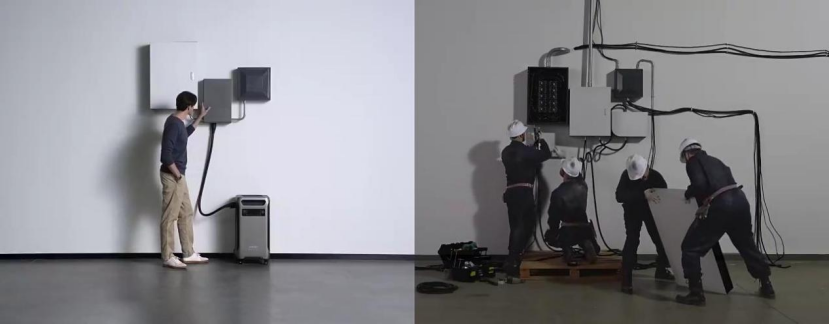
Traditional generators often require professional installation, fuel line connections, and permanent placement. This increases upfront complexity and cost. Solar backup systems range from portable units to whole-house solutions that integrate with a transfer switch or smart power panel. While larger solar systems may require installation, many offer plug-and-play options that simplify setup compared to fuel-based generators.
Maintenance and Long-Term Upkeep
Fuel generators require regular maintenance, including oil changes, filter replacements, engine checks, and fuel management. Failure to maintain them properly can lead to startup issues when power is needed most. Solar backup systems have far fewer moving parts and minimal maintenance requirements. Battery-based systems, especially those using long-lasting LFP batteries, are designed for years of reliable use with little intervention.
Upfront Cost vs Long-Term Savings
Traditional generators generally have lower upfront costs, which makes them appealing for short-term backup needs. However, ongoing fuel expenses, maintenance costs, and potential repairs add up over time. Solar backup systems require a higher initial investment but offer long-term savings by eliminating fuel costs and reducing utility bills. Some systems may also qualify for clean energy incentives, improving overall return on investment.
Power Capacity and Scalability
Fuel generators are often sized to deliver high power output for whole-home coverage, but upgrading capacity usually requires replacing the entire unit. Solar backup systems are more flexible. Many are expandable, allowing homeowners to add batteries or solar panels as energy needs grow. Systems like the Anker SOLIX F3800 can scale from partial backup to near whole-home coverage, adapting over time rather than becoming obsolete.
Daily Use Beyond Emergencies
Traditional generators sit idle until an outage occurs, offering no benefit during normal operation. Solar backup systems can be used daily to store solar energy and reduce electricity costs during peak pricing hours. This dual-purpose functionality increases their overall value and makes them useful year-round.
Environmental Impact
Fuel-powered generators contribute to carbon emissions and local air pollution. Solar backup systems rely on renewable energy, reducing environmental impact and supporting sustainability goals. For eco-conscious homeowners, this difference is a major factor.
Conclusion
Solar backup systems and traditional home generators both provide valuable protection during power outages, but they serve different needs. Traditional generators offer dependable power as long as fuel is available, while solar powered whole house generator systems deliver quiet, clean, and increasingly powerful energy with lower long-term costs. Choosing the right solution depends on your priorities, but for many homeowners, solar backup represents a smarter and more future-ready investment.