

 By
By Safety defines the core value of a power station, especially for users who rely on one during blackouts, travel, or outdoor projects. Electrical systems hold significant power, and the technologies inside a modern unit must prevent risks while delivering clean output for sensitive devices. People often compare capacity, charging speed, or port count, yet safety remains the factor that determines long-term usability. A well-engineered system protects itself, the appliances it powers, and the home environment around it. The Anker SOLIX F3800 Plus Portable Power Station demonstrates how modern designs build these protections into daily operation, allowing users to depend on the system without constantly monitoring it.
Core Protection Functions That Define a Safe Power Station
Overload Management Ensures Appliances Receive Stable Power
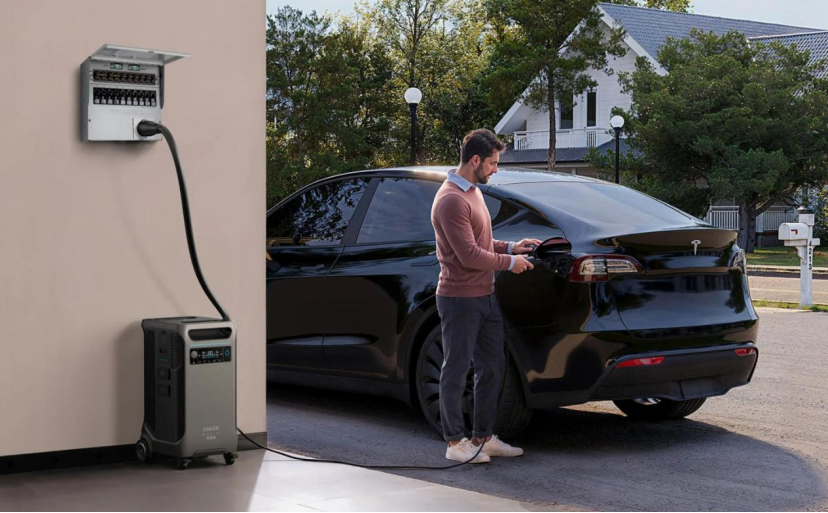
Electrical overload sits among the most common hazards in any power system. When users connect more devices than the station can handle, internal circuits adjust power flow to prevent damage. A safe unit reacts before any problem reaches the output, shutting off or limiting power with precision. This matters for homes using high-draw appliances like refrigerators or pumps during emergencies. Advanced stations incorporate sensors capable of tracking load spikes in milliseconds. The Anker SOLIX F3800 Plus Portable Power Station adds another advantage by offering 120V and 240V output support, enabling users to spread heavy loads intelligently. Overload protection often goes unnoticed, but it represents the backbone of safe and consistent use, especially during unpredictable energy demands.
Temperature Regulation Maintains Battery Health
Both charging and discharging generate heat, and batteries require specific temperature ranges to operate safely. Too much heat accelerates chemical reactions, while temperatures that drop too low disrupt internal stability. Quality power stations use thermal monitoring to adjust performance automatically. They may reduce charging speed, ventilate heat more aggressively, or pause operation until conditions normalize. Temperature safety becomes crucial during long outages when the system runs for hours without rest. The F3800 Plus, designed for extended backup scenarios, uses internal management to keep batteries within optimal performance zones. Users benefit from stable power delivery and longer component lifespan without needing to intervene, making thermal regulation one of the most essential protective layers.
Surge and Short-Circuit Protection Shields Devices
Unexpected surges—whether from the station or from connected appliances—can damage electronics instantly. Short circuits pose even greater danger, potentially leading to sparks or catastrophic failure if not caught quickly. Safe stations integrate protective switches and fast-acting sensors that break the circuit the moment they detect irregularities. This feature matters most for users powering medical devices, high-value electronics, or equipment that cannot tolerate inconsistent voltage. Because power stations often serve as an emergency backbone, surge and short-circuit responses must be immediate and reliable. Models engineered with high-quality semiconductor components, such as the Anker SOLIX F3800 Plus Portable Power Station, reinforce this safeguard to support both home and mobile use with consistent electrical discipline.
Safety Systems That Enhance User Confidence in Real-World Situations
Monitoring Features Allow Users to Track Status in Real Time
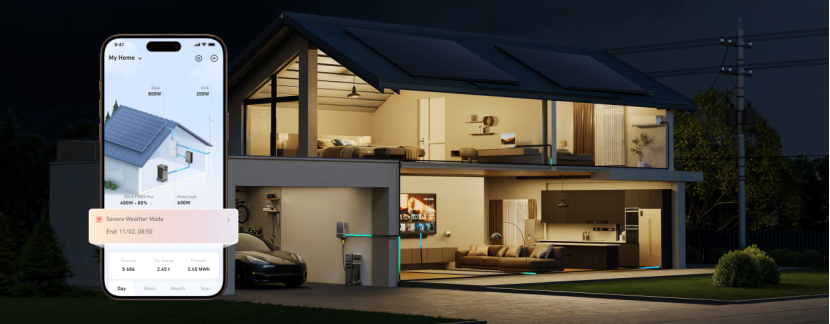
Visibility into a power station’s internal state helps users avoid unsafe conditions before they occur. Modern displays show output load, charging status, internal temperature, and remaining energy. A clearer understanding of system behavior supports safer decisions—users can reduce load, adjust charging method, or relocate the station when data suggests a developing stress point. Remote monitoring extends this advantage further. Through the Anker app, owners can review charging progress or battery behavior from another room or while outside their home. This adds an extra layer of awareness that pairs well with built-in safety systems. Users gain control without needing to handle the station physically, supporting both convenience and protective operation.
Weather-Ready Features Protect Against Unpredictable Conditions
Environmental hazards often coincide with the moments when people rely most on their power stations. Heavy rain, high humidity, or dusty environments can all interfere with electrical equipment. Safe systems incorporate enclosure protections, sealed ports, or reinforced components to handle these conditions. Extreme weather triggers can also help prepare the unit automatically. With Storm Guard, the F3800 Plus begins charging when severe weather alerts appear, creating a protective buffer of stored energy. These design choices matter for households that face seasonal storms or rely on off-grid setups. A weather-aware station supports reliable operation when environmental risk is highest, enhancing safety not through a single feature but through thoughtful overall engineering.
Multi-Source Charging Options Reduce Operational Risk
Power stations capable of receiving energy through several methods—solar, generator, home panel, or AC outlet—offer safety advantages beyond convenience. When one method becomes unstable or inappropriate due to environmental conditions, users can switch to another without risking unsafe charging. Solar becomes the preferred choice under clear skies; AC outlet charging works best indoors; generator charging supports extended outage conditions. The F3800 Plus incorporates all four pathways, letting users select the most stable option for a given scenario. This flexibility eliminates situations where users attempt unsafe charging workarounds, reinforcing operational safety with design diversity. A range of charging choices also improves reliability, which contributes to safer long-term usage.
Conclusion
Safety defines the foundation of every dependable power station. Overload prevention, thermal regulation, and surge protection create the first line of defense, shielding both the station and connected devices from electrical stress. Real-world protections—monitoring systems, weather-resilient design, and multi-source charging—extend that security into daily use and emergency conditions. Modern solutions, including portable power stations such as the Anker SOLIX F3800 Plus Portable Power Station, integrate these systems into a smooth user experience that requires minimal intervention. When considering a power station, users gain the most value by evaluating how each safety feature contributes not only to technical reliability but also to confident and consistent operation across any environment.